As life becomes increasingly connected, many homeowners are making a conscious effort to create spaces that encourage them to slow down. Rather than chasing the latest interior design trends, people are focusing on comfort, functionality and wellbeing. The result is a growing movement towards “slow living” at home.
The concept isn’t about doing less for the sake of it. Instead, it’s about designing an environment that helps reduce stress, improve focus and encourage a healthier work-life balance.
A Home That Works With You
Over the past few years, homes have evolved dramatically. They have become offices, gyms, classrooms and places to relax all at the same time. This has led many people to rethink how each room is used.
Instead of filling spaces with unnecessary furniture or decorative items, homeowners are choosing pieces that serve a genuine purpose. Storage solutions, multifunctional furniture and uncluttered layouts are becoming far more desirable than overcrowded interiors.
The emphasis is shifting towards quality over quantity.
Natural Materials Continue to Grow in Popularity
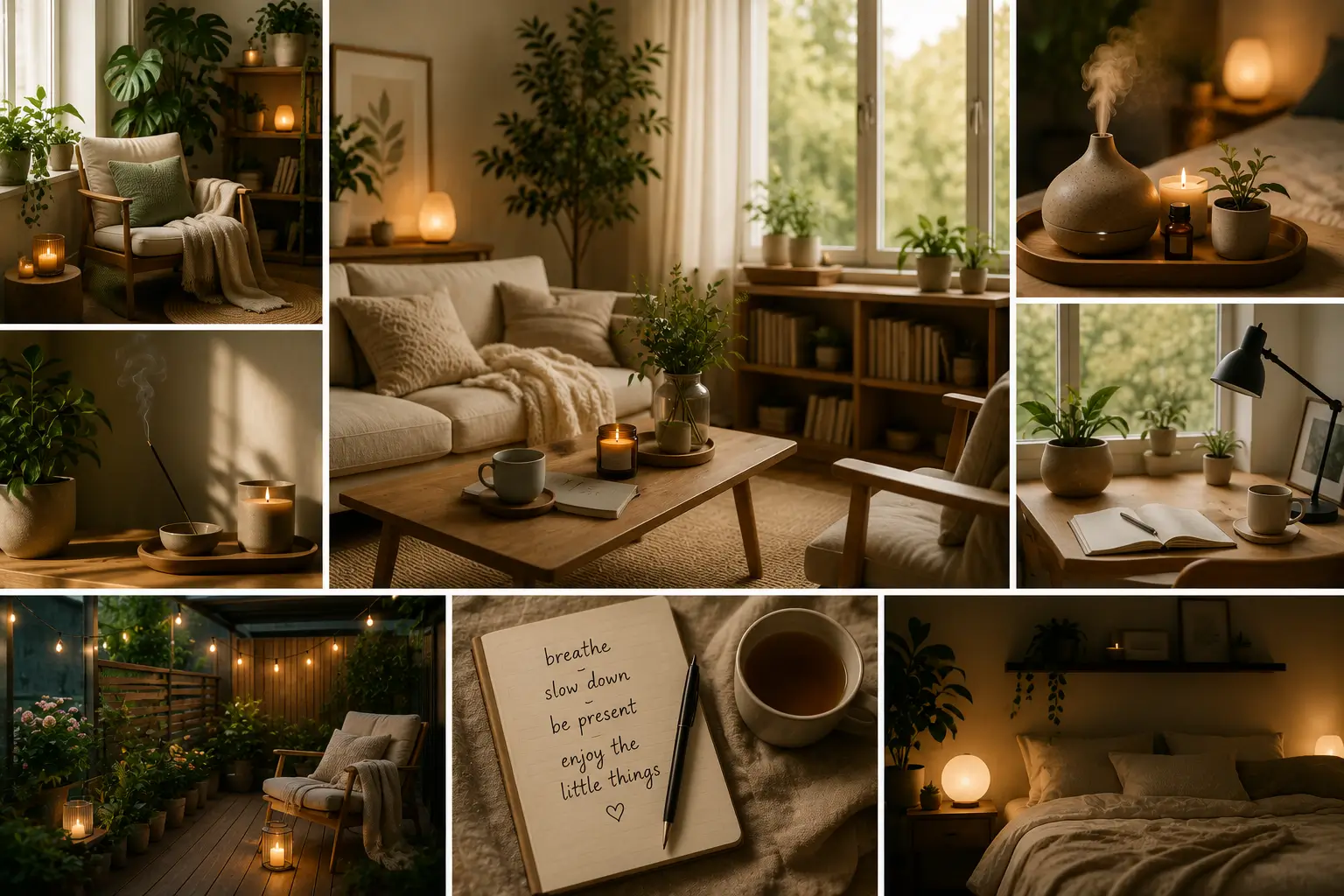
Wood, stone, linen and wool remain some of the most sought-after materials in modern homes. Their natural textures help create warmth without relying on bold colours or excessive decoration.
Houseplants also continue to play an important role. Beyond adding visual appeal, they can soften hard surfaces and introduce a calming atmosphere into living spaces.
Many homeowners are combining these natural elements with neutral colour palettes, allowing rooms to feel brighter and more spacious.
Reducing Digital Distractions
One of the biggest changes in home design isn’t physical—it’s behavioural.
More people are creating areas where phones, tablets and televisions are deliberately kept out. Reading corners, quiet seating areas and technology-free dining rooms are becoming increasingly common.
These small changes encourage better conversations, improved sleep and opportunities to unwind without constant notifications.
Lighting Makes a Bigger Difference Than Ever
Lighting has become one of the easiest ways to transform a room.
Rather than relying on one bright ceiling light, homeowners are layering lighting throughout the house using floor lamps, wall lights and table lamps to create softer, more relaxing environments.
Smart lighting systems also allow brightness and colour temperature to change throughout the day, helping support natural sleep patterns.
Decluttering With Purpose
Minimalism has matured.
Instead of removing everything, people are asking whether each item genuinely adds value to their daily lives.
Storage baskets, built-in cupboards and hidden organisation systems help keep surfaces clear while ensuring essential items remain accessible.
The goal isn’t an empty home—it’s a home that’s easier to live in.
Creating Spaces for Hobbies
Another noticeable trend is the return of dedicated hobby spaces.
Whether it’s a small craft corner, music room, reading nook or indoor gardening station, homeowners are increasingly allocating space for activities that improve wellbeing.
These areas don’t need to be large. Even a comfortable chair beside a window can become a valuable place to disconnect from busy routines.
Sustainability Influences Buying Decisions
Consumers are becoming more selective about what they bring into their homes.
Instead of replacing furniture every few years, many are investing in durable products designed to last. Vintage furniture, upcycling projects and second-hand purchases continue to grow in popularity.
This approach not only reduces waste but often results in homes with far more personality than those filled entirely with mass-produced furniture.
Looking Ahead
Slow living isn’t a passing design trend.
It reflects a wider change in how people want their homes to support everyday life. Comfortable spaces, thoughtful organisation and meaningful design choices are replacing fast-changing fashions.
As homeowners continue prioritising wellbeing over appearance, homes are likely to become even more personal, practical and enjoyable places to spend time.